Recovering The Reformed Confession For .99 On Kindle Today

Recovering the Reformed Confession

In case you’ve been waiting for the best possible deal before getting your own copy of Recovering the Reformed Confession well, the Kindle version is available today for .99. You can also get for $1.99 the Kindle edition of Tributes to John Calvin: A Celebration of . . . Continue reading →

Strangers And Aliens (7): The Living Stone And The Living Stones (1 Peter 2:4–6)

There is a strain of modern evangelical theology that looks forward to the literal rebuilding of the Israelite temple and to the re-institution of sacrifices, albeit, in that case, memorial sacrifices. This passage should help us see one of the important reasons . . . Continue reading →

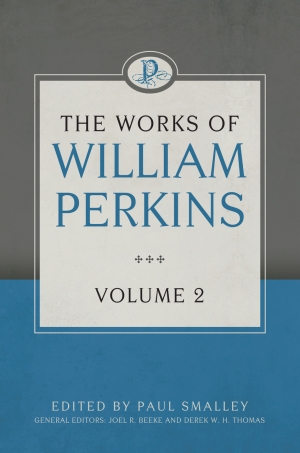
Perkins On Sanctification In Galatians 5:6

The second point is, what is waited for? Paul says the revelation of “righteousness” and eternal salvation. Here I observe that there is no justification by the observation of the law. And I prove it thus. The righteousness whereby a sinner is . . . Continue reading →

Biblicism: A Trojan Horse Full Of Rationalism

Over against the magisterial Reformers and the Roman Catholic theologians of the day, theologians like Michael Servetus, Giovanni Blandrata, Valentine Gentile, and Laelius and Faustus Socinus examined the text of Scripture in a strictly linguistic and non-traditionary exegesis and found no doctrine . . . Continue reading →

Strangers And Aliens (6): Like Newborn Infants (1 Peter 2:1–3)

The word “therefore” is more important in Scripture than we probably realize. It signals a relationship between what is being said now to what was just said. Remember, the chapter divisions we have in Scripture are not original. They were introduced into . . . Continue reading →

Luther On The Comfort Of Christ’s Return

45. Without a doubt, He has spoken this comforting word also for the fainthearted, who, though they are godly and prepared for the Last Day, are yet filled with great anxiety and [thus] hinder their desire for this coming, which is especially . . . Continue reading →

Through Good Works? (2)

In order to understand properly what Calvin wrote we need to put these passages in context. Chapter 21 is about the relations between justification and sanctification, which he called the “progress” of justification. In other words, for Calvin, the definitive act of God in declaring sinners righteous, on the basis of the imputation of Christ’s righteousness, which is received through faith alone, results in the gradual sanctification of the Christian. Continue reading →

The Word Of Salvation Versus Moralism

The reason there was so much opposition to Jesus’ ministry is because his gospel got to the heart of matters. He wasn’t giving dry, muddled expositions. His goal wasn’t the dissemination of information, or simply create controversies about how to correct human . . . Continue reading →

An Interview With Evangelical Focus

Contrary to what you may have been taught, the world was made to be known and you were made to know it. Contrary to what you may have been told, the world around you, though corrupted by sin, is not an illusion and evil is not winning. Believe your eyes and ears but do not believe everything you read and hear. You can and should, however, trust that God’s Word is reliable and true, that Christ is the Saviour, that he really came, that he was really raised, and that he is really coming again to make all things right again. Until that time you and I have a great calling to trust Christ with all our heart and out of that confidence to serve him in this world by loving God and our neighbour. Find a true church where the gospel is purely preached, where the sacraments are purely administered, and where they love the people enough to practice loving, gracious discipline. Continue reading →

Turretin On The State Of Believers In The Judgment

VII. Christ will be the judge in that very visible nature in which he was condemned for us. For although judiciary Power is common to the whole Trinity, still it will be specially exercised by the incarnate son. Judgment is said to . . . Continue reading →

Through Good Works? (1)

Introduction In Reformed theology the noun salvation is typically used in two ways. Sometimes it is used as a synonym for justification. When used this way it does not include sanctification since, according to the Reformed confession, justification is a declarative act . . . Continue reading →

Trelcatius On The State Of Believers In The Judgment

The last (or extreme) judgment is a judicial act, whereby Christ, in the last day, with great majesty in glory, shall give sentence upon all men universally. The principal efficient cause as touching indeed the judicial power and authority is God the . . . Continue reading →